
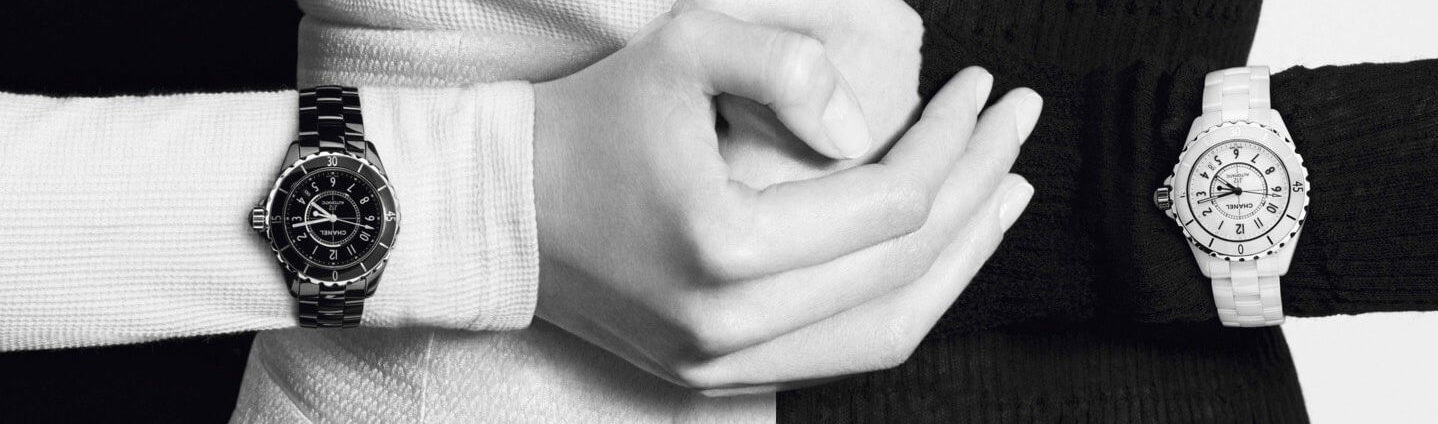

Women’s Watch Trends 2025: Key Insights, Top Brands & What’s Next for Female Collectors
Reflecting on the shifts, designs, and collector insights that defined women’s watchmaking in 2025
As the year comes to an end, it’s clear that 2025 has been an important chapter for women’s watchmaking. The influence of female collectors has grown significantly, shaping the way brands design and present their timepieces. Women are increasingly purchasing watches for themselves, guided by an interest in heritage, craftsmanship, and long-term value, a shift that has pushed the industry toward more thoughtful and sophisticated offerings.
One of the strongest developments this year has been the rise of mechanical watches specifically designed for women. Maisons such as Jaeger-LeCoultre, Cartier, Vacheron Constantin, Bvlgari, and Audemars Piguet expanded their mechanical collections in smaller, wearable case sizes. The continued success of pieces like the Reverso Duetto, the Tank Américaine, the Égérie Moon Phase, and the Royal Oak 34mm Automatic showed that women appreciate technical movements just as much as refined aesthetics. Even iconic design houses like Bvlgari elevated the Serpenti line with more mechanical interpretations, blending jewellery-like elegance with horological substance.


Design direction also evolved in favour of versatility. Collectors gravitated towards watches that could transition easily from day to night, supported by interchangeable straps, subtle diamond accents, and neutral, understated tones. Brands like Hermès and Piaget leaned into this mood with slim, elegant models designed for everyday wear, while Rolex continued to see strong demand for timeless favourites such as the Lady-Datejust and Oyster Perpetual.

Heritage played a major role throughout the year. Many of the most admired releases were modern reinterpretations of archival pieces — from the Art Deco-inspired Reverso to Cartier’s revived Baignoire and classic Tank models. These familiar forms, executed with updated proportions and materials, resonated strongly with collectors seeking timeless design with contemporary comfort.
Another meaningful trend was the increasing interest in independent watchmaking. Collectors showed growing appreciation for independents such as F.P. Journe, Czapek, H. Moser & Cie., and Laurent Ferrier. These houses, known for their artisanal craftsmanship and distinctive creative signatures, appealed to women looking for pieces that feel personal, rare, and emotionally driven rather than purely mainstream.
Education and experience also played a defining role this year. Collectors expressed a strong desire to understand movements, finishing, complications, and the stories behind each maison. This has been especially evident within Ladies Watch Club, where conversations and events increasingly focus on deepening knowledge and cultivating appreciation for both well-known and niche watchmakers.
Looking ahead, the direction for 2026 is already clear: a continuation of smaller mechanical watches, thoughtful complications designed for real-life wear, increased attention to sustainability, and a stronger role played by collector communities in shaping industry dialogue. Women are no longer a secondary market segment — they are a central, discerning, and influential audience whose preferences are actively shaping the future of horology.
As we enter a new year, Ladies Watch Club remains committed to creating a space where collectors can learn, connect, and explore the world of fine watchmaking. The momentum is strong, and this is only the beginning.


No Comments
Sorry, the comment form is closed at this time.